

A LITTLE WONDER, JUST LOOK UPThe sky
The sky
above you.
From the first light of morning to the quiet of a moonlit night. Discover the rhythm of the sky, wherever you are.
FIRST, FIND YOUR PATCH OF SKY
Where are you looking up?
Starts with Leicester as an example. Choose your location and local date.
THE DAILY ALMANAC
FOLLOW THE LIGHT
A whole day, in one glance.
00:0006:0012:0018:0024:00
DaylightCivil twilightNautical twilightAstronomical twilightNight
| Stage | Morning | Evening | What it means |
|---|
“No event” means that boundary is not crossed on this local date. Some places stay light, dark or in twilight through the night.
The Moon on your date.
Phase and illumination at 12:00 local time. Diagram shows the lit fraction with north up; the Moon’s apparent tilt varies with your location and the hour.
A lunar diary.
Phase times are shared worldwide and displayed in your selected time zone.
What was the Moon like when you were born? Change the date at the top to find out →FIND A WANDERING LIGHT
Your planet finder.
Choose a local time to see where the five naked-eye planets sit relative to your horizon. Each tile shows its naked-eye appearance, a spacecraft close-up and its position above or below your horizon.
Naked-eye views are appearance illustrations for when a planet is visible, not live photographs or star maps. Colour and glow are approximate; screen size, eyesight and sky conditions change the view. Planets usually shine more steadily than stars, but can flicker near the horizon. Use the calculated direction and height to help identify them. NASA spotting tips · Colour guide: Adler Planetarium.
Close-ups are NASA spacecraft images, not the view through your eyes or a live telescope. Horizon diagrams update with your place, date and time; markers are enlarged to help you find each planet. Rings and surface detail are not visible to the naked eye. Below-horizon markers show a hidden position beneath the ground. Terrain and sky appearance are illustrative.
Follow the changing light.
One sample every seven days, plus the last day of the year. Measures sunrise-to-sunset daylight; twilight is separate. Explore exact dates in the table below.
Monthly Sun & twilight table
| Date | Sunrise | Sunset | Daylight | Civil dusk | Nautical dusk | Night begins |
|---|
Night begins when the Sun drops below −18° (astronomical dusk). The date control above changes the month.
Keep your curiosity in orbit.
Meteor showers & comets
A meteor shower happens as Earth crosses a trail of debris. Comets are separate visitors, sometimes leaving the trails behind.
NASA’s meteor shower guide ↗Spot the space station
The ISS can pass overhead without being visible. A good sighting needs a sunlit station against a dark enough sky.
Find local ISS sightings with NASA ↗Live position and pass predictions are not yet connected here.
Constellations & eclipses
The sky changes with latitude, season and time. Start with a recognisable pattern, then follow its neighbours.
Explore NASA’s skywatching guide ↗Get to know the clouds
Wispy cirrus, cotton-like cumulus or a blanket of stratus: cloud shapes tell their own stories. A forecast of cloud cover cannot identify a formation overhead.
Explore the WMO International Cloud Atlas ↗Local cloud forecasts and a picture guide are planned next.
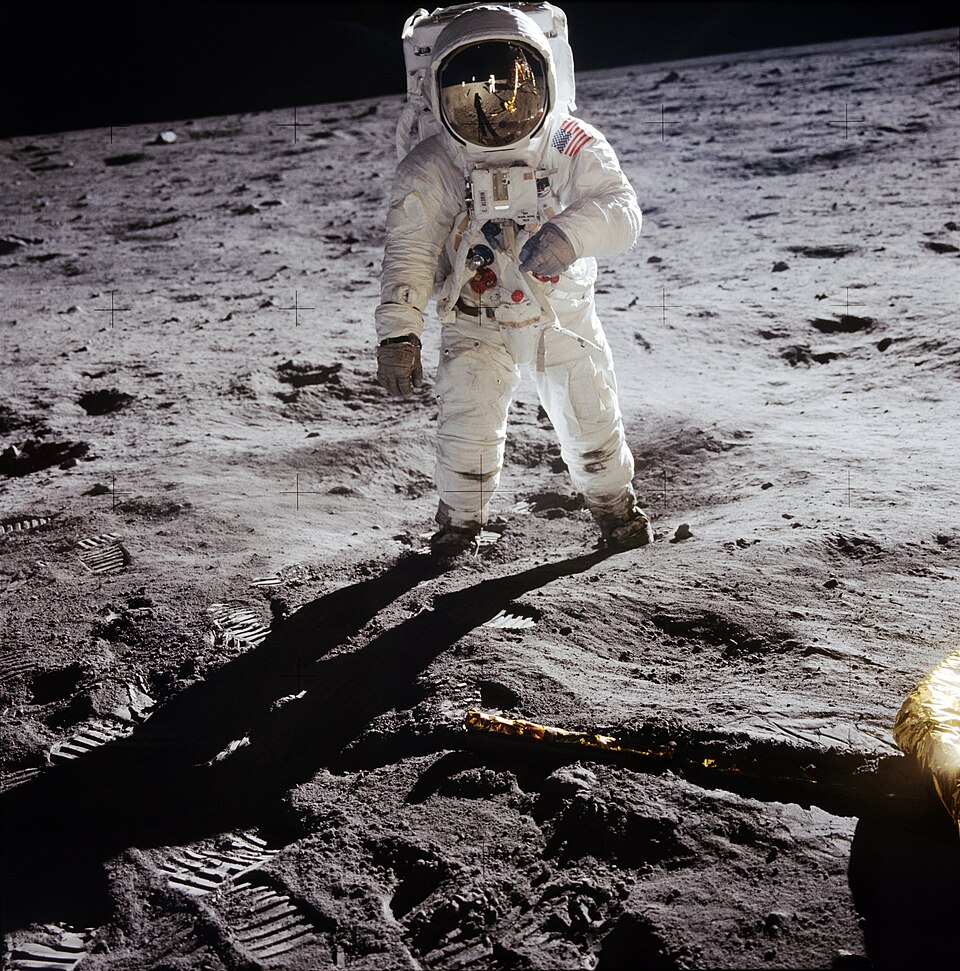
A MOMENT THAT CHANGED OUR SKY
When the Moon became a place we had been.
20 July 1969 · Apollo 11 lands on the Moon
Neil Armstrong and Buzz Aldrin landed in the Sea of Tranquility while Michael Collins orbited above. That small bright disc in our night sky had become a destination.
Read the mission story at NASA ↗Behind these little wonders.
Sun, Moon and planet results are calculated locally using Astronomy Engine (MIT). Times are rounded to the nearest minute, at sea level with a clear horizon and standard refraction. Hills, buildings and weather can change what you see. These are astronomical estimates, not a weather forecast or navigation service.
Civil twilight: Sun 0–6° below the horizon; nautical: 6–12°; astronomical: 12–18°. After that comes astronomical night. Daylight runs from sunrise to sunset. The Sun has a daily path and seasonal cycle, rather than phases like the Moon.
Time zones and daylight saving use your browser’s time-zone database. On a clock-change date the local day can be 23 or 25 hours. Date range: 1900–2100. Read USNO’s rise, set & twilight definitions ↗
Postcode data credits
Great Britain lookup via Postcodes.io. Contains Ordnance Survey data © Crown copyright and database right 2025. Contains Royal Mail data © Royal Mail copyright and database right 2025. Contains National Statistics data © Crown copyright and database right 2025. Contains NRS data © Crown copyright and database right 2025. Data licences ↗.
Find your local twilight times
Choose a city and date above, then select Explore this sky. For another place, use your device location, a Great Britain postcode or coordinates with the correct local time zone. Results show local sunrise, sunset, dawn and dusk.
Civil, nautical and astronomical twilight
Civil twilight ends in the evening when the Sun’s centre reaches 6° below the horizon. Nautical twilight ends at 12°, and astronomical twilight at 18°. In the morning these thresholds occur in reverse order. Astronomical night is the interval when the Sun is below −18°; it can be absent during summer at higher latitudes.
The charts distinguish daylight, twilight and astronomical night. Cloud, terrain and artificial light still affect what you can actually see. Times use the chosen place’s time zone, including daylight-saving changes.
For more ways to explore, try date and duration calculators, local places and history or today’s Sudoku.