
A new handful of discoveries
Keep turning the cards: famous faces, remarkable dates, nature and the numbers that make your story yours.
 Little Wonder World
Follow the clues hidden in your date. Uncover remarkable events, familiar faces and surprising connections — then see where your curiosity takes you.
THE EXPLORER’S JOURNALYOUR JOURNEY OF DISCOVERYExtra discoveries from our collection, beyond the cards in the sections below. Explore each card before the deck reshuffles.
Discover what happened on your exact birth date, or explore the same day and month through history.
Historical events from Wikipedia contributors, with links to the articles and their references. This is a selected record, not a complete newspaper archive; some dates have no exact-year entry. Events may include difficult news.
Event summaries: CC BY-SA 4.0 · Snapshot: 25 October 2026. Dates follow the source’s calendar convention.
Move through the years and see a planet changing alongside you.
Explore the symbols and traditions behind your Western sign and Chinese lunar year.
Cultural traditions and astrology, not scientific personality tests or predictions. Western sign dates are approximate. Chinese signs use the Lunar New Year convention and the calendar date entered; we do not convert your birth time between time zones.
Someone else’s story to explore?
Calendar days are calculated between your birth date and today on your device, using Gregorian dates. They are elapsed date boundaries, not exact 24-hour periods since your birth time. Week counts and hour equivalents follow from that day count. We do not estimate heartbeats, breaths or life expectancy.
Celebrity matches share your birth year or your birthday’s day and month. Exact full-date matches are labelled separately. We never substitute an unrelated celebrity when there is no match. The collection is selective, not comprehensive.
Buildings are compared by the specified opening or inauguration. Businesses use founding or incorporation as stated. Animal dates may be estimated. Plant cards measure time since a documented planting, purchase or start of training—not a claimed biological age.
Leap days are included. For someone born on 29 February, the birthday countdown uses 1 March in non-leap years; this is a display convention, not legal age guidance. A billion-second milestone assumes midnight UTC at birth, and excludes leap seconds. Actual birth time may move the date by a day.
For year-only facts we show calendar-year differences, rather than invent a day and month. “Approximately” indicates an estimated birth year. Dates and sources were reviewed on 25 October 2026; the site recalculates anniversaries, but does not provide live health or status updates about people, animals or plants.
Population comes from the UN World Population Prospects 2024 edition via UNdata, retrieved 25 October 2026. We show 1 July figures for each year from 1950 to 2026: estimates through 2023 and medium-variant projections from 2024. These are not exact counts at birth or live counters. No annual values are invented for years before 1950.
Chinese Lunar New Year boundaries come from Hong Kong Observatory calendar tables (1901–2027). The Western guide uses the Almanac’s approximate date ranges, with a warning near boundaries. Symbols and traditional associations are presented as cultural beliefs, not scientific findings.
Your birth date is processed locally. If “Keep my date in this tab” is selected, it is saved in session storage so the linked pages can use its year. It is not placed in the URL or sent to an analytics service. “Clear my date” or “Clear my details” removes it from session storage. Your browser may restore session storage when restoring a tab. Companion place searches disclose when a town query is sent to Wikipedia. Ordinary hosting request logs may be processed by the hosting provider.
Sharing sends a generic invitation, without your date or age. Saving a number card downloads an image with your age and elapsed days, but no birth date. Share that card only if you want others to see those numbers. This site has no live advertising scripts. Optional Google Analytics loads only after you accept analytics cookies; see Privacy & cookies. Music cover lookups send only the song or album title and artist to Apple, never your birthday. Artwork is served by Apple when available.
Every comparison has a source link. This edition includes a calendar-wide birthday directory, 4 landmarks, 5 businesses, a rotating animal and plant collection and 6 history events, plus calculated calendar discoveries. The discovery deck is shuffled on a fresh visit and cycles without repeating cards within a topic until that collection is exhausted. It is a growing collection, not an unlimited feed. Source facts and date arithmetic are kept separate, so we can expand the collection without changing the calculations. Every discovery card includes an image. The birthday directory displays records with licensed portraits and provides search and profession filters. Captions identify illustrative species photographs, present-day brand buildings and thematic images used for calculated facts or historical events. Photographs have individual creator and licence links; images are resized and displayed in cropped frames. Historical event summaries are attributed to Wikipedia contributors under CC BY-SA 4.0. Birthday records and events are saved with the site; your birthday is not sent to Wikipedia. Expanded portraits load from Wikimedia Commons with creator and licence credits. None of the featured people or organisations endorses this site.

Play today’s free Sudoku in easy, medium or hard mode. Progress saves on this device, so you can leave and come back. Missed a day? Explore the puzzle archive.
 EXPLORE A LITTLE FURTHER
Start with a birthday to discover calendar milestones, people who share the day and month, and events recorded on that date. Your birth year adds a different connection: people and events from the same year are shown separately from shared birthdays.
The birthday archive covers all 366 calendar dates, including 29 February. Public date guides let you explore without entering personal details. Calculated dates explain their assumptions, historical entries link to their records, and annual population estimates are distinguished from projections.
A changing pick from our journal: surprising facts and practical ways to explore your world.
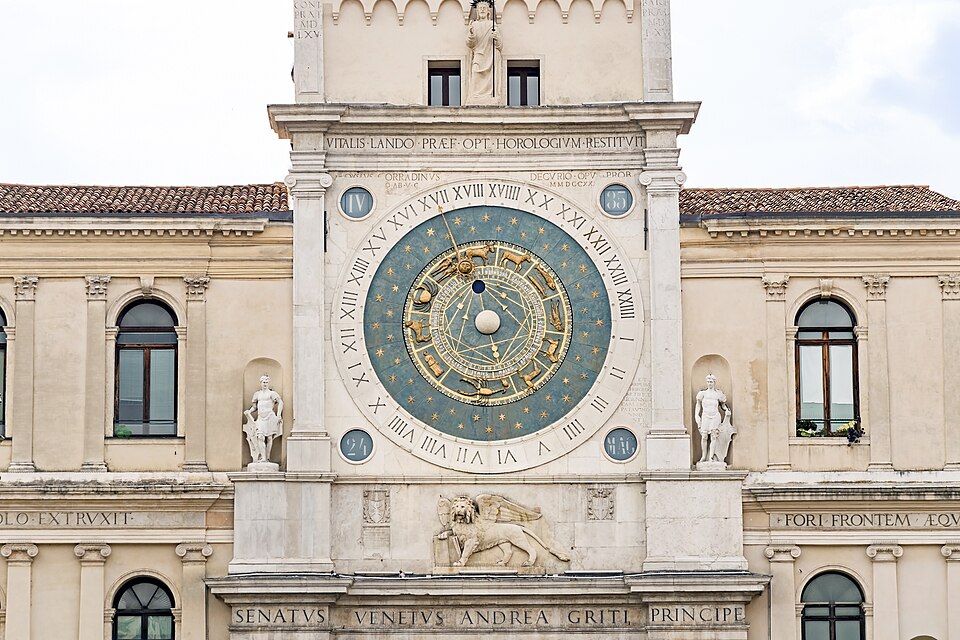
A billion sounds impossibly large. In seconds, it is a milestone you can reach in an ordinary lifetime.
Published 26 October 2026 · Sources included
Read this little wonder →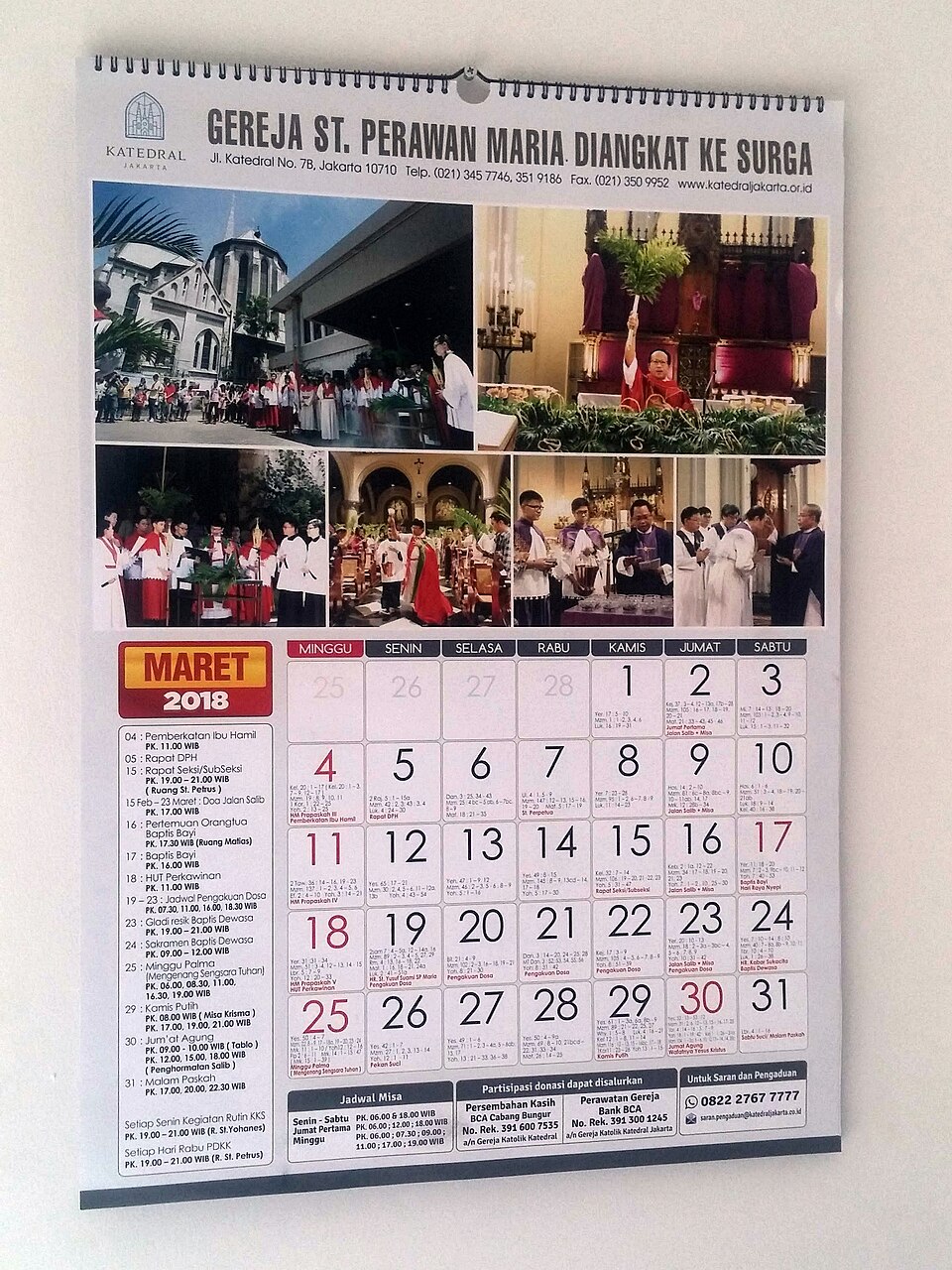
Seven days in a week, 365 in most years: the tiny mismatch that keeps moving your birthday.
Published 26 October 2026 · Sources included
Read this little wonder →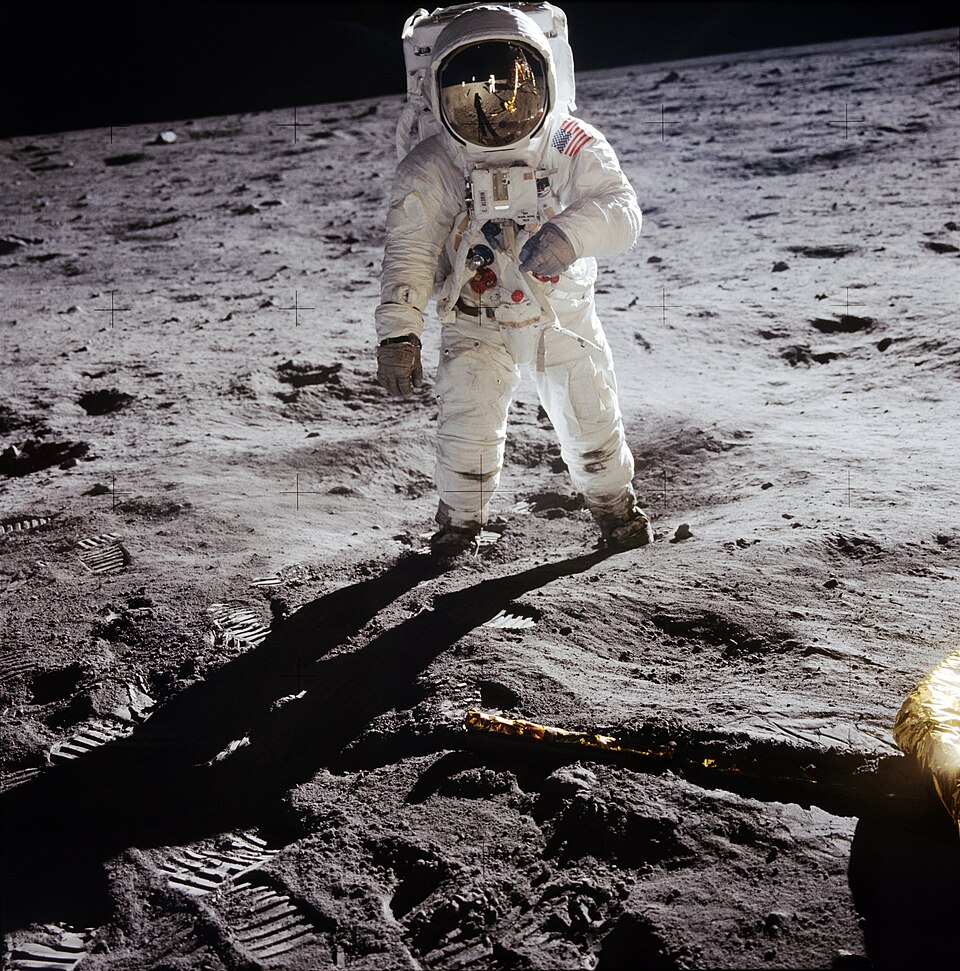
Laser measurements reveal a slow change in the average Earth–Moon distance. Your lifetime gives that change a surprising scale.
Published 26 October 2026 · Sources included
Read this little wonder →
Begin with one address, a local archive and a question small enough to answer. A practical first visit to local history.
Published 26 October 2026 · Sources included
Read this little wonder →
The hour repeated, the day did not gain extra sunlight, and some household timers may still need checking.
Published 26 October 2026 · Sources included
Read this little wonder →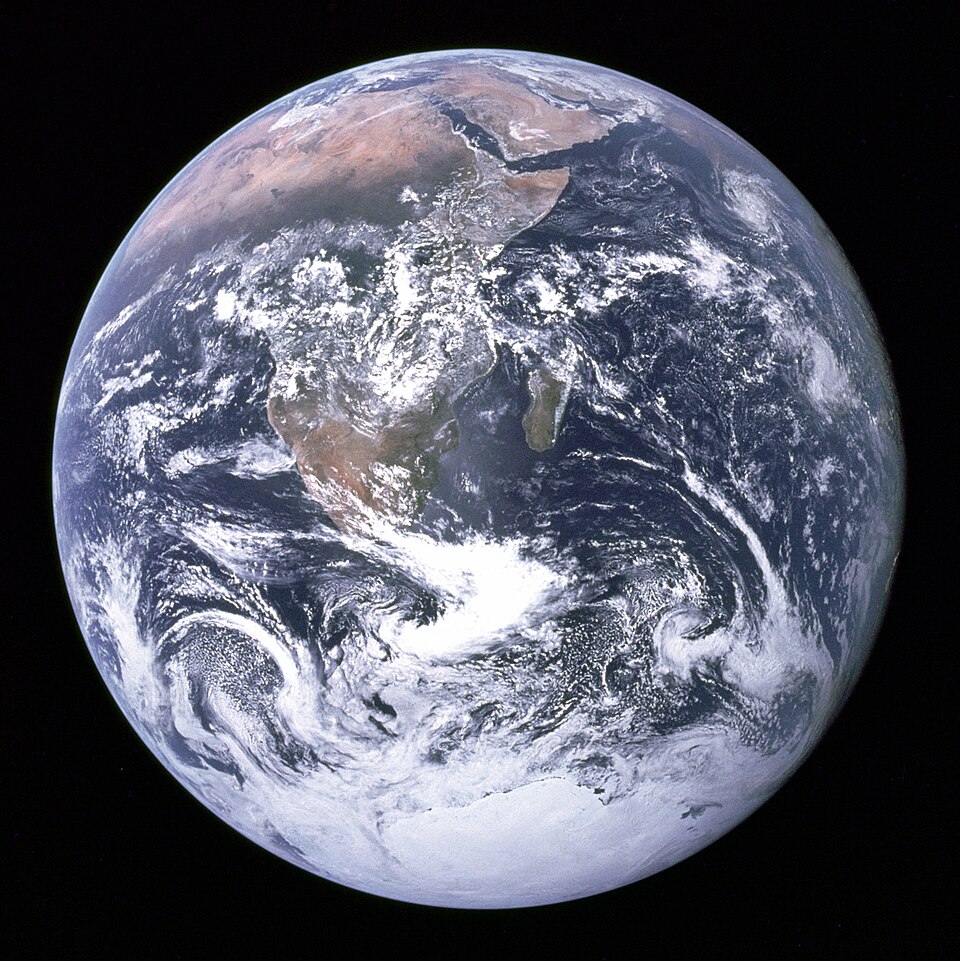
A huge personal comparison becomes more interesting when you know which parts are estimates and which are projections.
Published 26 October 2026 · Sources included
Read this little wonder →