

The UK clocks changed on 25 October 2026. What actually changed?
The hour repeated, the day did not gain extra sunlight, and some household timers may still need checking.

Dated seasonal article · UK only. This is an October 2026 snapshot, not a live news feed. Check the official source for later changes.
The date and the hour
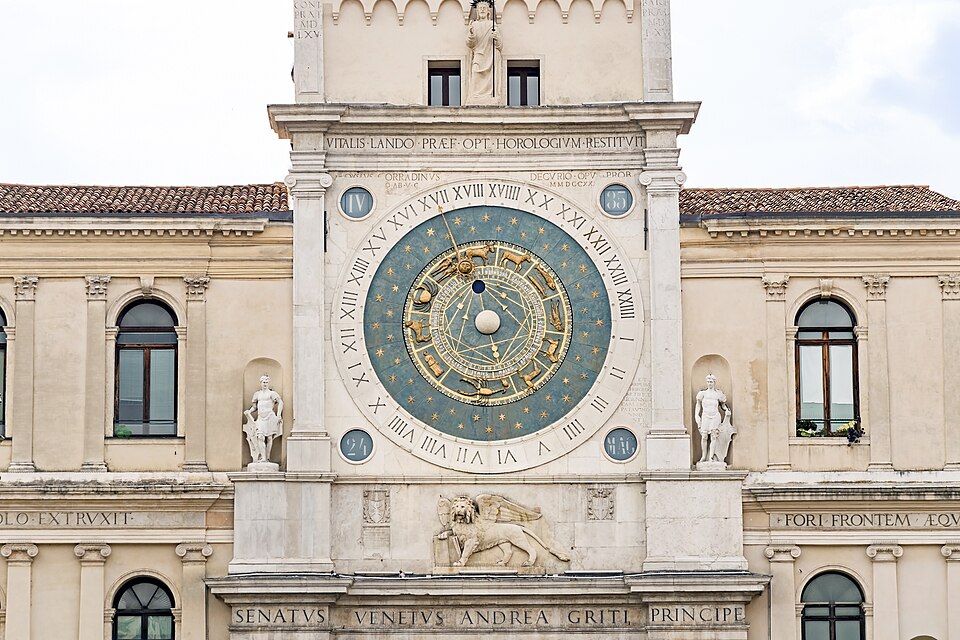
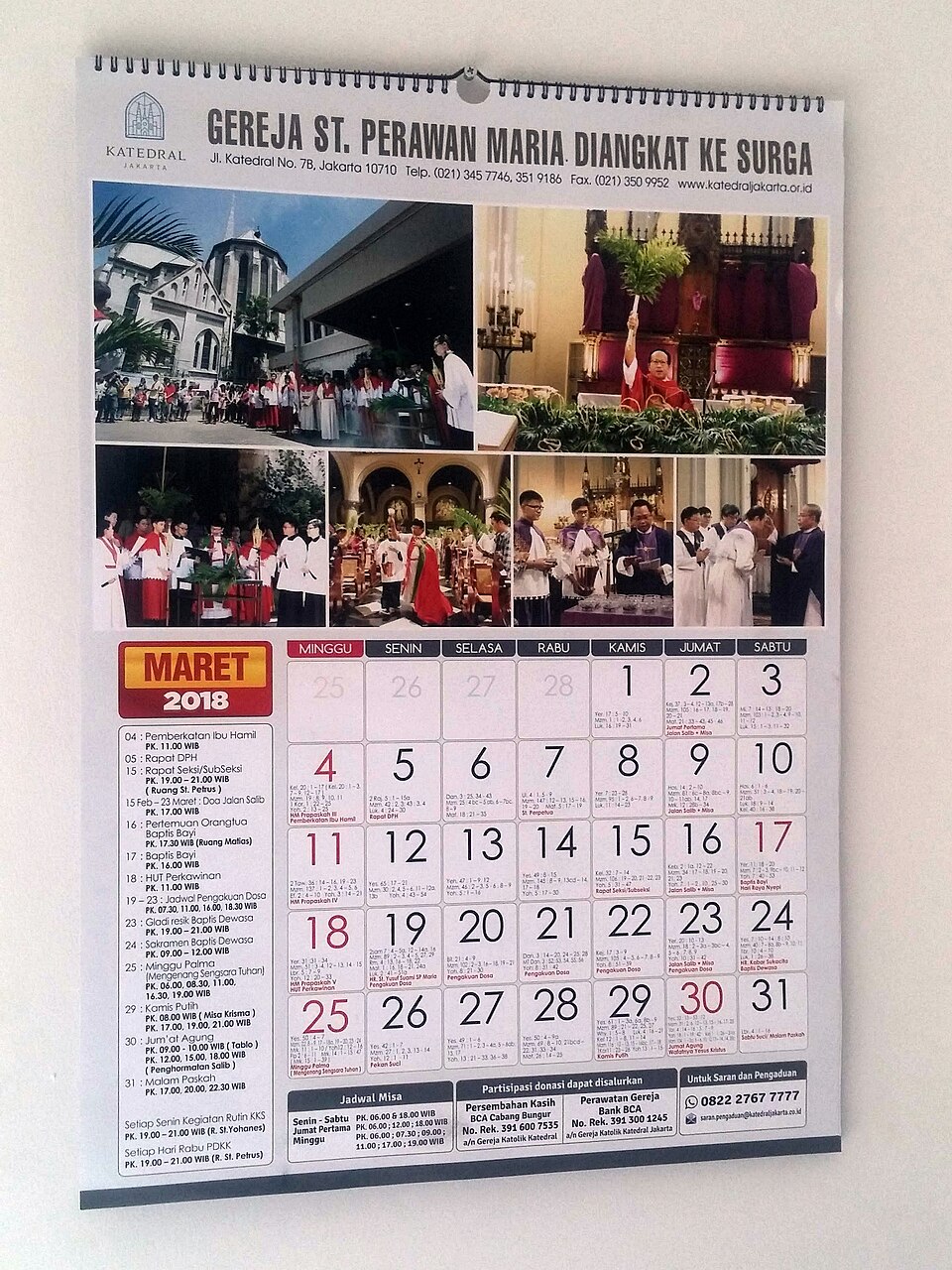
In the UK, clocks went back on Sunday 25 October 2026. At 2am British Summer Time, the displayed time returned to 1am Greenwich Mean Time. GOV.UK lists the next spring change as 28 March 2027. These dates are checked as of 26 October 2026; use the linked official page when planning for another year.
A simple check around the house
Devices with automatic time settings may update themselves. Manually set clocks and standalone timers may not. Compare the display with a device you know is using the correct UK time before changing anything. Northern Ireland’s official reminder specifically mentions clocks, heating and hot-water timers, and devices that do not update automatically.
One hour of clock time, not extra sunshine
Moving the clock changes the labels we put on the day. It does not create an extra hour of daylight. This is a useful distinction when a calendar fact becomes a dramatic headline: first ask whether the physical event changed, or whether we changed the way we describe it.
Keep the place beside the date
Clock-change rules differ between countries. A UK date is not a worldwide rule, and some places do not change their clocks. When arranging something across borders, include the time zone and check the other location’s clock as well. This article is a dated UK seasonal note, not a live world-clock service.
Sources & calculation notes
Written for Little Wonder with AI assistance and checked against the sources and calculations listed here. Estimates and examples are identified. Source material can change; corrections can be checked against these links.