

Your house has a past. Here is how to start finding it
Begin with one address, a local archive and a question small enough to answer. A practical first visit to local history.

Start locally
For UK house-history research, The National Archives recommends beginning with the archive or local studies service for the area. Local maps, electoral registers and building plans may be more useful than starting with a national search. Available records vary, so ask what survives for your street before paying for access elsewhere.
Turn an address into a small research question
Choose one thing to investigate first: when the building appears on a map, what the street used to be called, or who occupied it in a particular year. Keep a note of the town and country as well as the street. Repeated place names and changed house numbers can otherwise lead you confidently to the wrong building.
Compare clues rather than relying on one
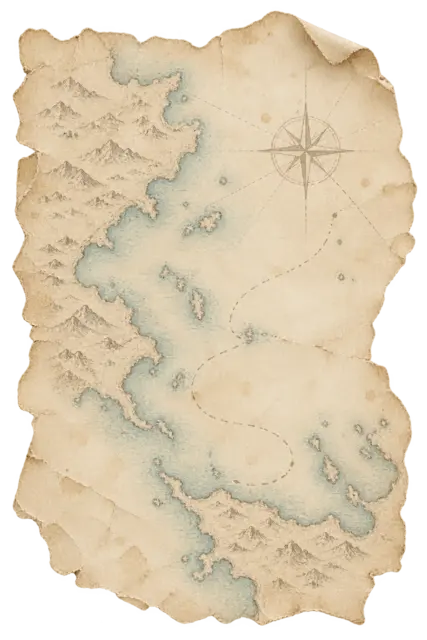
A building shown on an old map establishes that something occupied that location by the map’s date; it does not, on its own, establish the construction date of every part of today’s house. Place two dated sources beside one another and record what each actually shows. A photograph, plan and written entry can answer different questions.
Make a record someone else could follow
Save the archive name, catalogue reference, date and a short note for every useful item. Separate a documented statement from your own interpretation. Before publishing a scan or photograph, check the archive’s reproduction terms. Avoid posting details about current occupants without their agreement.
Keep the first session manageable
Ask the local archive one focused question, collect a few references and stop to review what you have. Our town-history tool is a starting point for discovering a place, not a substitute for records about a particular property. This guide concerns historical research, not proof of ownership or legal advice.
Set your research in context with Local Wonders’ town history and nearby stories. These are starting points; verify a particular building through the archive records described above.
Sources & calculation notes
Written for Little Wonder with AI assistance and checked against the sources and calculations listed here. Estimates and examples are identified. Source material can change; corrections can be checked against these links.